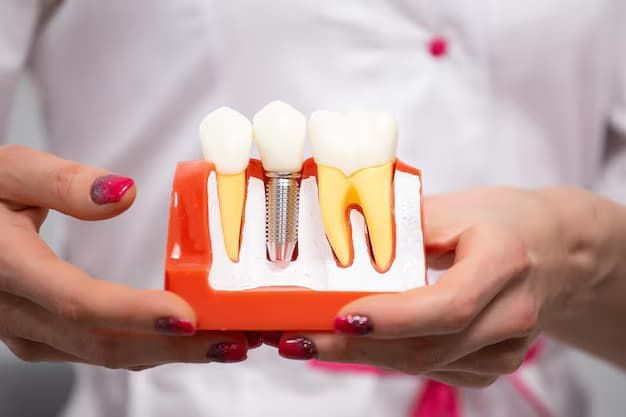
Getting a dental implant is not usually one appointment from start to finish. There is a stage between placing the implant and receiving the final tooth that can leave patients wondering, "How will I know when it's ready?"
That waiting period matters. The implant needs time to become stable in the jaw before the final restoration is placed. The exact timing can vary from one person to another, so the calendar alone does not determine when treatment is ready to move forward.
If you're considering dental implants, understanding what happens during this stage can make the process feel much less uncertain.
The Implant Needs Time Before the Final Tooth Is Placed
A dental implant is designed to act as an artificial tooth root. After it is placed in the jaw, the surrounding bone needs time to heal and form a stable connection with the implant. This is why the final crown is not always placed immediately after implant surgery.
The healing period gives the implant a chance to become stable enough to support the restoration. Your dentist will determine when it is appropriate to move to the next stage rather than relying on a fixed timetable for every patient. That distinction is important. Someone else's implant timeline may not be the right comparison for yours.
Feeling Fine Doesn't Automatically Mean the Implant Is Ready
You may feel little or no discomfort as healing progresses. That is encouraging, but how you feel is not the only factor your dentist considers. An implant can feel fine from a patient's perspective while the treatment site still needs more time before restoration.
Your dentist may assess the implant clinically and use imaging when appropriate to evaluate the area. The goal is to make sure the implant is ready for the next step rather than rushing simply because the area feels comfortable.
This is also why follow-up appointments matter. They allow your dentist to check how healing is progressing instead of leaving the decision entirely to symptoms.
What Happens Before the Final Tooth?
Once the implant is considered ready, treatment moves into the restoration stage. This is when your dentist plans the tooth that will sit above the implant. The restoration needs to fit the space, work with your bite, and look appropriate alongside the surrounding teeth.
The process can involve:
- Checking the implant site
- Assessing the surrounding teeth and gums
- Planning the shape and position of the restoration
- Taking impressions or digital records when needed
- Checking how the new tooth will meet the opposing teeth
- Selecting an appropriate restoration
The implant itself is only part of the finished result. The final restoration also needs to function properly within your existing smile
.
Can the Timeline Change?
Yes. Healing does not follow exactly the same schedule for every patient. The condition of the jawbone, the location of the implant, the type of procedure performed, and other aspects of treatment can affect when the next stage takes place.
If additional procedures are needed as part of treatment, that can also affect the overall timeline. For that reason, it is better to think in terms of readiness rather than a guaranteed number of weeks. If you're wondering whether your dental implants are ready for their final restoration, ask your dentist what they are looking for at your follow-up appointments. A clear explanation can help you understand why treatment is moving forward or why more healing time is recommended.
What If the Implant Feels Different?
Patients sometimes become concerned because the area does not feel exactly as they expected. That does not necessarily tell you whether the implant is ready for restoration.
Instead of trying to judge the healing process by sensation alone, tell your dentist about anything unusual, especially persistent discomfort, swelling, changes around the implant, or other symptoms that concern you.
Your dentist can decide whether the area is progressing as expected and whether further evaluation is needed. At Smiles by Rizzo, we can walk patients through each stage of treatment so they understand what is happening before moving on to the next step.
Why Waiting Can Be Part of Good Treatment
It can be tempting to focus on the finished smile and wish the process would move faster. But the healing stage serves a purpose. Moving to the final restoration only when the implant is ready helps your dentist plan the next stage based on the condition of the treatment site rather than an arbitrary deadline.
That can also make the process easier for you. Instead of wondering why you are still waiting, you can ask what your dentist is checking and what needs to happen before the final tooth is placed.
What Should You Ask at Your Follow-Up?
If you have questions about the timing of your implant restoration, ask directly. Useful questions include:
- How is the implant healing?
- What are you checking before placing the final tooth?
- Is the implant stable enough for the next stage?
- Do I need any additional treatment before restoration?
- What happens at the next appointment?
- How will the final tooth be designed to fit my bite?
These questions can give you a clearer picture of where you are in the process.
Final Thoughts
The point at which an implant is ready for its final tooth is based on healing and clinical assessment, not simply how many days have passed. If you're going through treatment, don't worry if your timeline looks different from someone else's. Your dentist can explain what is happening at each stage and why the next step is or isn't ready.
At Smiles by Rizzo, we believe patients should understand their treatment rather than simply follow a schedule without knowing what comes next. If you're considering dental implants, talking through the timeline beforehand can help you know what to expect from the first appointment through the final restoration.
Recent Blog