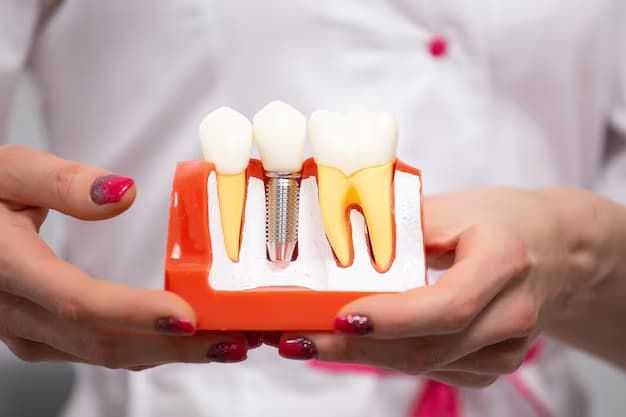
Dental implants replace missing tooth roots and support a crown, bridge or denture. Whether they suit you depends on jawbone health, gum condition, medical history and personal goals. A dentist evaluates your mouth, explains the alternatives and outlines healing and long-term care first.
Missing a tooth can change how you chew, speak and feel about your smile. Choosing the right missing tooth replacement depends on more than appearance: your oral health, nearby teeth and willingness to complete treatment all matter.
Dental implants can give replacement teeth a stable foundation, but they aren't right for everyone. At Smiles by Rizzo, we want you to understand the full plan before you decide: whether an implant is suitable, what recovery involves and how to care for the finished restoration.
Who Is a Good Candidate for Dental Implants?
A dentist can assess whether an implant is a suitable missing tooth replacement based on your gum health, jawbone and medical history. We assess these factors before recommending treatment. Age alone doesn't decide suitability, although the jaw must have finished growing.
What Does a Dentist Check Before Treatment?
During an implant consultation, we may review:
- Jawbone volume and condition: Imaging shows whether the bone can hold an implant.
- Gum health: Active gum disease may need treatment first.
- Medical history: Some conditions and medications affect healing.
- Smoking or tobacco use: Tobacco can interfere with healing.
- Remaining teeth and bite: They affect placement and function.
What If You Don't Have Enough Jawbone?
Too little bone doesn't always rule out dental implants. Bone grafting can create a more suitable foundation, though it adds treatment and healing time. Untreated gum disease or uncontrolled medical conditions may also need attention first. Only an individual assessment can settle it.
What Is the Difference Between Dental Implants, Bridges, and Dentures?
Implants, bridges and dentures offer different approaches to missing tooth replacement, each with its own benefits and maintenance needs.
| Option | How it works | Key consideration |
|---|---|---|
| Dental implant | A post in the jaw supports a crown or other restoration. | Requires surgery and enough bone, or a plan to address bone loss. |
| Dental bridge | Artificial teeth fill the gap, supported by adjacent teeth or implants. | A traditional bridge may require reshaping neighbouring teeth. |
| Denture | A removable appliance replaces some or all missing teeth. | Fit, comfort, maintenance and stability need consideration. |
How Should You Compare the Options?
Consider which teeth are missing, the condition of the rest, your medical history and the maintenance you're comfortable with. Budget and timing matter too, and no single option fits everyone. Our
dental implants service in Carlstadt gives more detail, and a consultation lets you compare it with other suitable choices.
What Happens During the Dental Implant Procedure?
Treatment usually happens in stages, and the sequence depends on the tooth, the bone and whether extra procedures are needed.
The Main Stages of Treatment
1. Assessment and planning. We review your history, examine your mouth and use imaging when needed to plan placement.
2. Implant placement. The post is placed surgically in the jawbone. Removing a damaged tooth or grafting bone may form part of the plan.
3. Healing and integration. The bone bonds with the implant over time, a process called osseointegration, while we monitor healing.
4. Final restoration. A connector and the planned restoration, often a crown, are then fitted to suit the surrounding teeth and bite.
How Long Does Implant Recovery Take?
Recovery varies. Soreness and swelling may follow surgery, while integration with the jawbone can take several months, and grafting can extend the timeline. Follow our instructions on eating, cleaning and follow-ups, and call us if you have severe or worsening pain, heavy bleeding or increasing swelling.
How Long Do Dental Implants Last?
Good oral hygiene and regular dental visits can help protect your missing tooth replacement and the surrounding gum tissue.
What Affects Implant Longevity?
- Daily cleaning: Plaque around an implant can affect the gums and bone.
- Regular visits: Checkups catch changes around the implant and wear on the restoration.
- Smoking: Tobacco affects gum health and outcomes.
- Bite pressure and grinding: Excess force can damage a crown or stress the implant.
- General and oral health: Gum disease and certain conditions affect the supporting tissue.
An implant can't decay, but the gums and bone around it can still develop problems.
Does the Crown Last as Long as the Implant?
Not necessarily. The post may remain stable for decades, while the crown can wear, chip or need replacing. If a crown feels loose, your bite changes or the gum around an implant swells or bleeds, arrange an assessment instead of waiting.
How Can You Protect Your Results After Treatment?
Follow-up visits let us check healing and confirm the implant and restoration work as intended.
Build a Routine You Can Maintain
- Brush twice daily with a soft-bristled brush and fluoride toothpaste.
- Clean between your teeth and around the implant as directed.
- Attend recommended checkups and cleanings.
- Avoid chewing ice or other hard objects.
- Ask about options if you grind your teeth.
- Tell us about changes in your health or medications.
Cleaning tools differ by restoration, so ask for instructions that match yours.
Make an Informed Choice About Missing Tooth Replacement
Dental implants can be a long-term option for replacing missing teeth, but suitability depends on your oral health, medical history and goals. Comparing them with bridges and dentures helps you understand the trade-offs before committing to surgery.
At Smiles by Rizzo in Carlstadt, NJ, we can help you explore missing tooth replacement options and understand which approach fits your needs. If you're considering a replacement for a missing tooth, book an assessment and bring three questions: what fits your needs, what the process involves and how to care for the result.
Frequently Asked Questions
Can an older adult get dental implants?
Yes. Overall health, bone condition and healing ability matter more than age.
Are dental implants painful?
The procedure uses anesthesia. Some soreness and swelling may follow, and recovery varies.
Can a dental implant replace more than one tooth?
Yes. Implants can support bridges or dentures as well as single crowns.
Will I need a bone graft before getting an implant?
No. We may recommend grafting if there isn't enough suitable bone.
Do dental implants need special cleaning?
They need careful daily cleaning and professional monitoring. We can recommend tools for your restoration.
Recent Blog