Getting an implant is often described as replacing a missing tooth, but there is more to the process than placing an implant and attaching a crown.
There is a period between those two stages. During that time, the implant site heals, your dentist monitors progress, and the final restoration is planned around the space, surrounding teeth, and your bite.
For patients researching implants dentistry, this middle stage can be one of the least understood parts of treatment. Knowing what happens during it can make the overall process easier to follow.
The Implant and the Crown Have Different Jobs
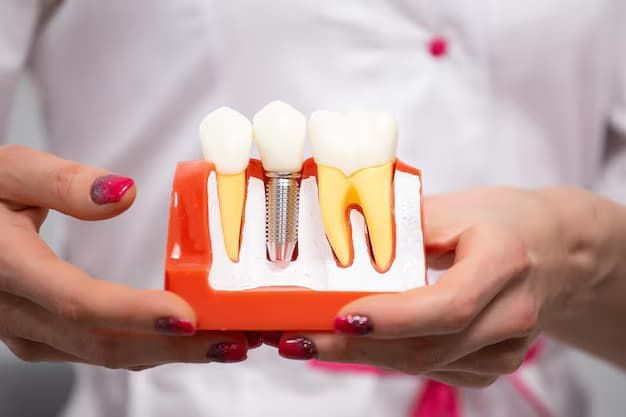
The easiest way to understand the treatment is to separate the parts. The implant is placed in the jaw and functions as the replacement for the missing tooth root. The crown is the visible part that sits above it and is shaped to function like a tooth.
They work together, but they are not the same thing.
That distinction becomes especially useful when you hear the terms “crowns and implants dentistry”. The implant provides the foundation, while the crown is the part that restores the visible tooth shape and chewing surface.
Understanding this can also explain why implant treatment does not always end when the implant is placed.
First Comes the Healing Period
After implant placement, the area needs time to heal. The surrounding bone gradually becomes integrated with the implant. Your dentist will determine when the implant is sufficiently stable for the next stage.
During this period, you may have specific instructions about eating, cleaning the area, and caring for the surgical site. The instructions can depend on the procedure you had, so your own dentist's guidance should take priority.
At Smiles by Rizzo, we provide procedure-specific post-operative instructions, including guidance for implant surgery, because recovery is part of the treatment rather than an afterthought.
Then the Final Tooth Has to Be Planned
Once the implant is ready, attention turns to the restoration. The crown has to fit the space left by the missing tooth. It also needs to work with the teeth around it and the opposing teeth when you bite. This is where the treatment becomes more than simply "putting a tooth on an implant."
Your dentist may consider:
- The amount of available space
- The position of the implant
- The shape and shade of surrounding teeth
- Your bite
- The size and shape of the missing tooth
- How the final crown will function when you chew
The goal is to create a restoration that belongs in your existing smile rather than looking or functioning like a separate piece.
Why Can't the Crown Be Made Immediately?
The final crown is designed for the finished treatment, but the implant needs time to heal before that restoration is placed. Trying to treat every case on the same schedule would ignore differences between patients.
The timing is different for everyone. Your dentist will check how the implant is healing and decide when it is ready for the next step. It may take longer than you expect, but the extra time gives the implant and surrounding tissue a chance to heal properly.
What Happens When the Crown Is Ready?
When your dentist determines that the implant is ready for restoration, records of the area can be used to plan the final crown. The restoration is designed to fit the space and work with your bite. Your dentist will also consider the appearance of the surrounding teeth.
At this point, patients sometimes expect the process to be as simple as placing a ready-made tooth. In reality, the final restoration is part of the treatment plan and needs to fit the individual mouth. That is why the planning stage matters just as much as the implant placement itself.
What If the Crown Feels Different at First?
A new restoration can feel unfamiliar at first because your mouth has adapted to the space where the tooth was missing. Your bite may also take some time to adjust to the new crown.
At Smiles by Rizzo, we recommend letting us know if the crown continues to feel uneven or if you have discomfort when chewing. We can check the restoration and your bite to see whether anything needs attention.
If something continues to feel wrong, don't assume you simply need to get used to it. Tell us what you're noticing so we can evaluate the restoration and determine whether any adjustment is needed.
Why the Final Crown Deserves Attention
The crown is the part you see every time you smile. It is also the part that interacts directly with your bite and chewing. That makes the restoration an important part of implant dentistry, not merely a cosmetic finishing touch.
The same is true when considering crowns and implant dentistry together. A successful implant treatment involves more than the implant itself. The foundation and final restoration have to work as part of the same plan.
Questions to Ask Before Your Final Restoration
You don't need to know every technical detail before getting an implant crown. But it helps to understand what happens next. Ask your dentist:
- How will you know the implant is ready?
- What happens during the restoration appointment?
- How will the crown be matched to my surrounding teeth?
- How will my bite be checked?
- What should feel normal after the crown is placed?
- Who should I contact if something feels uncomfortable later?
Clear answers can make the transition from implant placement to the final restoration much easier to understand.
Final Thoughts
An implant is not the finished tooth. It provides the foundation, while the crown restores the visible part of the missing tooth and its chewing surface.
The time between placement and restoration gives the treatment room to progress properly. Once the implant is ready, the final crown can be planned around your smile, bite, and the space it needs to occupy.
At Smiles by Rizzo, we can explain each stage so you know what is happening and why. If you're researching implant dentistry, understanding the steps between implant placement and the final crown can give you a much clearer picture of the treatment as a whole.
Recent Blog