A whiter smile can make a real difference in how you look, which is why so many people ask about teeth whitening when their teeth start looking yellow or dull. But here's the thing, whitening doesn't treat every stain the same way. Some stains fade easily. Others barely budge.
Then there's another wrinkle: crowns, fillings, and veneers don't whiten the way real teeth do. So after treatment, you might notice some teeth got brighter while others stayed put. The whitening did its job, it's just that the mismatch is what stands out.
Not All Stains Are Created Equal
Tooth stains usually fall into two camps: extrinsic and intrinsic.
Extrinsic stains sit on the surface. Coffee, tea, red wine, and certain foods all leave behind pigment that builds up over time.
These respond well to a good cleaning or a whitening treatment.
Intrinsic stains are different, they form inside the tooth itself. Aging, certain medications taken while teeth were still developing, an old injury, too much fluoride, or internal changes in the tooth can all cause this. Because the discoloration sits deeper, regular bleaching often can't reach it.
This matters because teeth whitening only works on natural tooth structure, not on every material, and not on every kind of stain.
Why Some Teeth End Up Whiter Than Others
Once natural teeth lighten up, any tooth that didn't change will suddenly look darker by comparison, even though nothing actually happened to it.
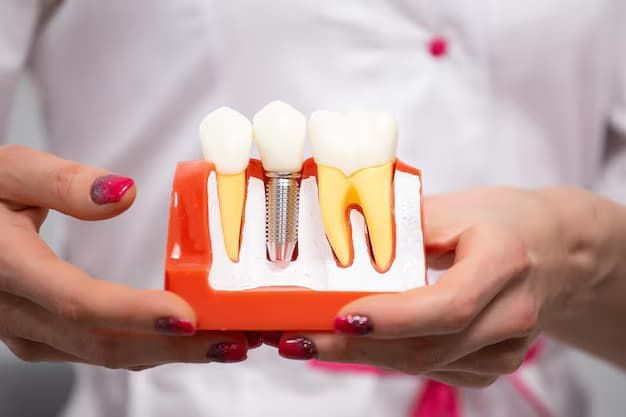
The same goes for dental work. Fillings, crowns, bridges, and veneers were color-matched to your teeth at the time they were placed. They don't respond to bleach. So if the rest of your smile gets brighter, that old restoration can suddenly stick out.
When Whitening Won't Fix the Problem
Stronger products or longer treatment times won't help every stain. Knowing what's actually causing the discoloration is the first step toward picking the right fix.
- Surface stains: usually respond well to a cleaning or whitening
- Deep stains: may need a different cosmetic approach entirely
- Restorations: crowns and fillings won't whiten like real teeth
- Sudden dark spots: could point to an injury or a problem inside the tooth
- Overdoing it: too much teeth whitening can leave your teeth sensitive and irritate gums
If your teeth are changing color in ways that don't make sense, it's worth getting checked out first. At Smiles by Rizzo, we like to figure out what's actually causing the issue before jumping into any cosmetic treatment.
What About Fillings, Crowns, and Veneers?
Before you start any cosmetic work, a dentist can check whether a color change is just cosmetic or actually points to something that needs treatment.
Dental restorations are often the real reason a smile looks patchy after teeth whitening. They were matched to your teeth at one point in time, but your natural teeth can still change color around them.
If you have visible dental work, mention it before you start. We can walk you through how it might affect your results and whether it makes more sense to whiten first.
Timing actually matters here. If a front-tooth restoration will need replacing anyway, it often makes sense to whiten your natural teeth first, that way, the new restoration can be matched to your brighter shade instead of the old one.
Why Sensitivity Is a Sign to Slow Down
Some sensitivity is normal with whitening; cold drinks or even a breath of air can feel uncomfortable during or after treatment. How much depends on the product, the strength, how often you use it, and your own teeth.
But more isn't always better. If your teeth keep getting more uncomfortable, that's a signal to stop, not push through. The goal should be a healthy, even result, not the absolute whitest shade possible.
If you already have cavities, cracked teeth, exposed roots, gum issues, or a lot of sensitivity, it's worth treating those first. Once that's handled, teeth whitening tends to go a lot smoother.
Getting a More Even Result
If you notice uneven color, existing dental work, or one tooth that's darker than the rest, start with a dental checkup. Ask what type of staining you're dealing with and whether it's likely to respond to bleaching at all.
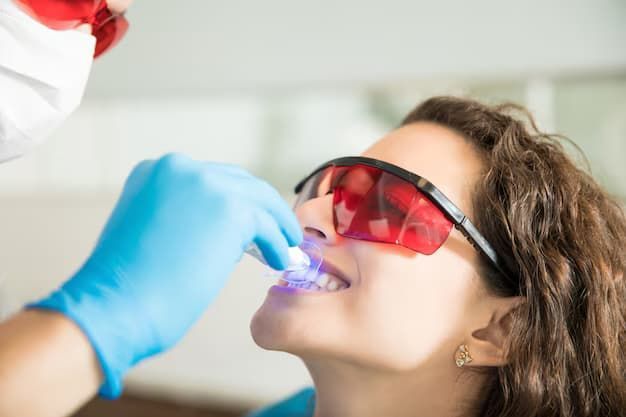
If you move forward with teeth whitening, stick to the recommended routine instead of mixing several products on your own. Allow time between your treatments as advised, and pay attention to any sensitivity or gum irritation along the way.
Our approach at Smiles by Rizzo is to look at what's actually causing the unevenness, not just lighten every tooth and hope for the best. That means factoring in your natural shade, any restorations you have, and your overall oral health.
Conclusion
Teeth whitening can work great when the discoloration responds to bleach, but it's not a fix-all for every kind of stain. Natural differences between teeth, deep stains, old dental work, and past damage can all shape how the final result looks.
If your smile looks uneven, another round of whitening isn't automatically the answer. We can help you understand what's really going on and discuss options that fit your teeth and situation, so a brighter smile looks natural rather than patchy.
Recent Blog