Many people use the terms teeth whitening and teeth bleaching as if they mean the same thing, but they are not always identical. Understanding what the difference between teeth whitening and teeth bleaching can help you choose the treatment that best fits your smile goals, budget, and expectations while avoiding confusion during your cosmetic dental consultation.
If you've been thinking about improving your smile, you've probably come across both terms during your research. At first glance, they sound interchangeable, which is why many patients ask “what is the difference between teeth whitening and teeth bleaching” before deciding on treatment.
Although both procedures are designed to create a brighter smile, they work differently and may be recommended for different situations. Understanding those differences makes it easier to choose the right cosmetic treatment and set realistic expectations for the results.
Is Teeth Whitening the Same as Teeth Bleaching
One of the biggest misconceptions in cosmetic dentistry is that whitening and bleaching describe the same procedure.
While both improve tooth color, they are not identical.
When patients ask “what is the difference between teeth whitening and teeth bleaching”, the simplest explanation is this:
- Teeth whitening restores teeth closer to their natural shade by removing surface stains caused by coffee, tea, wine, tobacco, and everyday foods.
- Teeth bleaching uses stronger whitening agents to lighten teeth beyond their natural color, creating a brighter overall appearance.
Both options can improve your smile, but the most appropriate treatment depends on your goals and the condition of your teeth.
Which Treatment Works Better for Deep Stains?
The answer depends on why the teeth became discolored in the first place.
Surface stains often respond well to professional whitening treatments. However, deeper discoloration caused by aging, certain medications, or internal staining may require bleaching or another cosmetic solution.
This is why “what is the difference between teeth whitening and teeth bleaching” is an important question during a consultation. Your dentist evaluates the type of staining before recommending the most effective approach instead of using a one-size-fits-all solution.
Does Professional Treatment Produce Better Results Than Store-Bought Products?
In many cases, yes.
Over-the-counter whitening products can help with mild staining, but they usually contain lower concentrations of whitening ingredients. Professional treatments are customized to your teeth and carefully monitored for safety and effectiveness.
Patients researching “what is the difference between teeth whitening and teeth bleaching” often discover that professional care not only delivers more noticeable results but also helps reduce sensitivity and uneven whitening.
How Long Do Whitening and Bleaching Results Last
Neither treatment is permanent, but good habits can help maintain results for years.
The longevity of your brighter smile depends on factors such as:
- Daily oral hygiene
- Smoking or tobacco use
- Coffee, tea, and red wine consumption
- Regular professional cleanings
- Touch-up treatments when recommended
When discussing “what is the difference between teeth whitening and teeth bleaching”, it's important to understand that maintenance plays a major role regardless of which option you choose.
Is Every Patient a Good Candidate
Some patients have stains that respond very well to whitening or bleaching, while others may benefit more from veneers or bonding if discoloration cannot be improved with whitening products alone.
A complete dental examination helps determine whether cosmetic whitening is appropriate or if another treatment will provide more predictable results.
This is another reason patients frequently ask “what is the difference between teeth whitening and teeth bleaching” before beginning cosmetic treatment.
Does Whitening Damage Teeth
When performed correctly, professional whitening is considered safe for healthy teeth.
Temporary sensitivity may occur after treatment, but it usually improves within a short time. Dentists carefully evaluate oral health before recommending cosmetic whitening to ensure the treatment is appropriate.
Professional supervision helps protect enamel while delivering consistent results.
How Do You Choose the Right Cosmetic Treatment
The right choice depends on your smile goals rather than simply choosing the strongest option available.
Some patients want a subtle improvement that restores their natural tooth color. Others prefer a dramatically brighter smile.
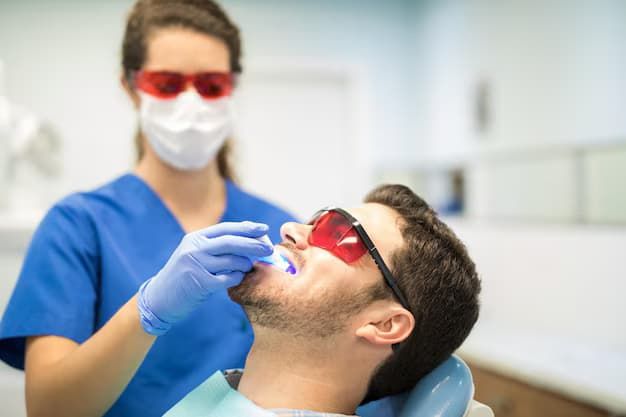
During a consultation, your dentist evaluates tooth color, oral health, existing restorations, and cosmetic expectations before recommending treatment.
Understanding “what is the difference between teeth whitening and teeth bleaching” helps patients make informed decisions based on realistic outcomes instead of marketing claims.
Conclusion
At Smiles by Rizzo, Choosing between whitening and bleaching starts with understanding how each treatment works.
While both improve the appearance of your smile, they serve slightly different purposes depending on the type of discoloration and the results you hope to achieve.
If you've been wondering “what is the difference between teeth whitening and teeth bleaching”, the best next step is a professional evaluation. A personalized consultation can determine which option is most appropriate for your smile, helping you achieve natural-looking, long-lasting cosmetic results while protecting your overall oral health.
Frequently Asked Questions
Is teeth whitening different from teeth bleaching?
Yes. Teeth whitening removes surface stains and restores natural tooth color, while bleaching can lighten teeth beyond their original shade using stronger whitening agents.
Which treatment lasts longer?
Both treatments can provide long-lasting results with proper oral hygiene, regular dental visits, and healthy lifestyle habits.
Can whitening remove every type of stain?
No. Some deep internal stains may not respond fully to whitening and may require other cosmetic treatments such as veneers or bonding.
Does professional whitening hurt?
Most patients experience little to no discomfort. Some temporary tooth sensitivity may occur but usually resolves within a few days.
Who should choose professional whitening instead of store products?
Patients seeking faster, safer, and more predictable results often benefit from professional treatment because it is customized to their individual smile.
Recent Blog