Learning how to get rid of tartar starts with one fact: once tartar hardens, you can't safely remove it at home. Tartar is mineralized plaque bonded to the tooth and below the gumline, and only a dentist or hygienist can remove it with professional scaling.
At home, the goal is prevention, not removal. Brushing twice daily, cleaning between your teeth, and using a tartar-control toothpaste slow new buildup. Anything already hardened needs a dental visit. This guide covers what works at home, what doesn't, and when a cleaning is due.
What's the difference between tartar and plaque?
Plaque is soft and removable; tartar is hard and isn't. Plaque is a sticky film of bacteria that forms on teeth every day. When it isn't cleaned off, minerals in your saliva harden it into tartar, also called calculus, within about one to three days.
Plaque you can remove at home with a toothbrush and floss. Tartar bonds to enamel and sits along and under the gumline, so a brush can't shift it. Tartar also has a rough, porous surface that collects more plaque and stains, which is why buildup speeds up once it starts. The tartar vs plaque difference matters because it decides who does the removing: you handle plaque daily, a dentist handles tartar.
Can you remove tartar at home?
No. You can't safely remove tartar at home once it has hardened. Home tools, including the metal scrapers sold for tartar removal at home, can scratch enamel, injure your gums, and push bacteria below the gumline if used incorrectly.
What home care does is stop new tartar from forming and keep existing buildup from getting worse before your next cleaning. Brushing, flossing, and tartar-control toothpaste all work on soft plaque, which is the stage before tartar sets. Online videos showing people scraping their own teeth skip the risks: damaged enamel doesn't grow back, and a cut gumline can get infected. Removing hardened tartar is a clinical job, not a bathroom one.
What home habits help control tartar?
The best way to control tartar is to stop plaque before it hardens. When people ask how to get rid of tartar, prevention is the honest first answer, because daily habits clear soft plaque in the 24 to 72 hour window before it mineralizes.
- Brush twice a day for two minutes with a fluoride toothpaste. An electric brush clears more plaque along the gumline than a manual one for most people.
- Use a tartar-control toothpaste. These contain ingredients such as pyrophosphates or zinc that slow mineral buildup.
- Clean between your teeth every day with floss or interdental brushes. Tartar often starts in the gaps a brush misses.
- Cut back on sugary and starchy snacks. The bacteria that feed plaque thrive on them.
- Don't smoke. Smokers build tartar faster and are more prone to gum disease.
- Keep your routine dental cleanings. Professional removal every six months resets buildup before it causes harm.
How do dentists get rid of tartar?
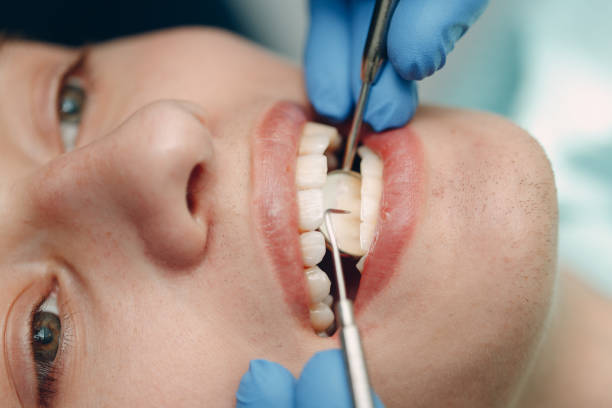
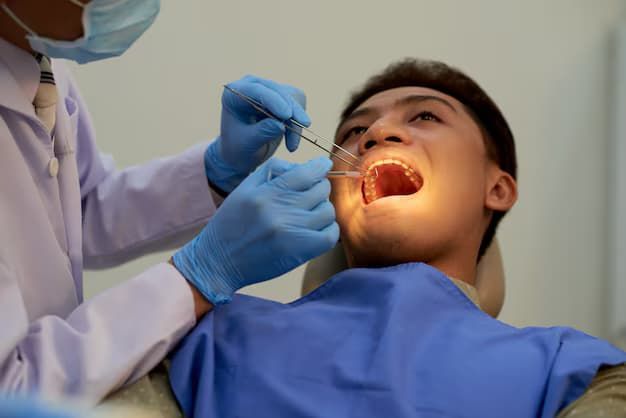
Dentists remove tartar with a procedure called scaling. A dentist or hygienist uses an ultrasonic scaler and hand instruments to break up and lift tartar from above and below the gumline, then polishes the teeth to smooth the surface.
Scaling teeth is quick, routine, and done at a standard cleaning appointment. For light buildup it takes minutes. Where tartar has spread under the gums, the dentist may add root planing, which smooths the tooth roots so the gums can reattach. This is also how to get rid of tartar you can't see, the kind that sits below the gumline and drives gum disease. A polish afterward removes surface stains, which is one reason a professional cleaning can leave teeth looking brighter. At Smiles by Rizzo, we handle scaling as part of routine general and family dentistry, so most patients need nothing more than their regular visit.
Home care vs professional tartar removal: what's the difference?
Home care prevents tartar; professional removal gets rid of it. The two work together, and neither replaces the other. The table below shows what each one can and can't do.
| Factor | Home care | Professional removal |
|---|---|---|
| What it targets | Soft plaque | Hardened tartar (calculus) |
| Where it reaches | Tooth surfaces you can brush | Above and below the gumline |
| Tools | Toothbrush, floss, tartar-control toothpaste | Ultrasonic scaler, hand instruments |
| Removes existing tartar | No | Yes |
| How often | Every day | Usually every six months |
| Who does it | You | A dentist or hygienist |
Home care buys time between visits. Professional scaling does the removal that home care can't.
What happens if you leave tartar on your teeth?
Leaving tartar on your teeth leads to gum disease, tooth decay, and bad breath. Tartar holds bacteria against the gumline, which inflames the gums and, over time, can destroy the bone that holds teeth in place.
The early stage is gingivitis, seen as red, swollen, or bleeding gums. Left alone, it can progress to periodontitis, where gums pull away from the teeth and teeth can loosen or be lost. Tartar below the gumline is the main driver. It's also a common cause of persistent bad breath, because the trapped bacteria release odor. Advanced decay or a gum infection can turn into pain that needs prompt treatment, and in some cases urgent same-day care. Regular cleanings prevent nearly all of it.
When should you see a dentist about tartar?
See a dentist for a cleaning every six months, or sooner if you notice tartar buildup, bleeding gums, or bad breath. Most people need professional scaling twice a year to stay ahead of tartar.
You may need more frequent visits if you're prone to buildup, have gum disease, smoke, or wear braces. If it's been longer than six months, or you've never had a scaling, that's the sign to book. At Smiles by Rizzo, we welcome new and nervous patients alike, and we offer sedation options for anyone who finds cleanings stressful. To get your tartar checked and removed, book a consultation or new-patient visit or get in touch with our team.
Frequently asked questions
How long does it take for plaque to turn into tartar?
Plaque can start hardening into tartar within 24 to 72 hours. That's why daily brushing and flossing matter: they clear plaque during the short window before minerals in your saliva set it. Once it hardens, a toothbrush can no longer remove it.
Does tartar-control toothpaste remove existing tartar?
No. Tartar-control toothpaste slows new tartar from forming, but it can't remove tartar that has already hardened. Its ingredients work on soft plaque and early mineral buildup. Hardened tartar still needs professional scaling at a dental appointment.
Is scaling teeth painful?
Scaling is usually painless and causes mild pressure or vibration at most. If you have sensitive teeth, sore gums, or heavy buildup, your dentist can numb the area or offer sedation. Any brief tenderness afterward tends to settle within a day or two.
Can you scrape tartar off yourself at home?
You shouldn't. Dental scrapers sold for home use can scratch enamel, damage gums, and push bacteria under the gumline. Enamel doesn't grow back, and injured gums can get infected. Removing hardened tartar safely is a job for a dental professional.
How much does professional tartar removal cost?
Cost varies by location, how much buildup is present, and whether root planing is needed. A routine cleaning with scaling is often covered by dental insurance as preventive care. Your dental office can confirm the fee and your coverage before the appointment.
How often should you get your teeth professionally cleaned?
Most people should get a professional cleaning every six months. People prone to tartar, or those with gum disease, braces, or who smoke, may need visits every three to four months. Your dentist will recommend a schedule based on how fast you build tartar.
Recent Blog