You may still have dental problems even with regular visits because many issues develop below the surface or between checkups. Conditions like teeth grinding, bite misalignment, early gum disease, or TMJ disorders can go unnoticed in routine exams. Lifestyle habits, stress, and inconsistent home care also continue to affect oral health.
When people search "What are the symptoms of TMJ disorder?", they are often already experiencing jaw discomfort, clicking sounds, or headaches without realizing the jaw joint could be the root cause. These symptoms are frequently overlooked during standard dental checkups, which is why a deeper functional evaluation is sometimes needed to identify the real issue behind persistent dental problems.
Why do dental problems continue even after regular dental visits?
Dental problems can still continue even with regular dental visits when the root cause is not fully addressed. Cleanings and checkups manage surface-level issues, but deeper functional problems may remain.
These include bite misalignment, grinding habits, and joint stress. One major overlooked query is “What are the symptoms of TMJ disorder?” This condition affects jaw movement and can lead to repeated discomfort despite normal dental reports.
At Smiles by Rizzo, we often see patients who believe they are doing everything right but still experience recurring symptoms. The reason is usually functional, not cosmetic or surface decay.
Can hidden jaw issues cause recurring dental problems?
Yes, hidden jaw issues can directly cause recurring dental problems even when teeth look healthy. Jaw dysfunction places uneven pressure on teeth and surrounding muscles.
This often leads to tooth sensitivity, worn enamel, and jaw pain. What are the symptoms of TMJ disorder is a frequently asked question in these cases and is often mistaken for general dental discomfort.
We evaluate bite alignment and jaw movement because these hidden issues are often the missing link in long-term dental health.
How does teeth grinding affect dental health even after treatment?
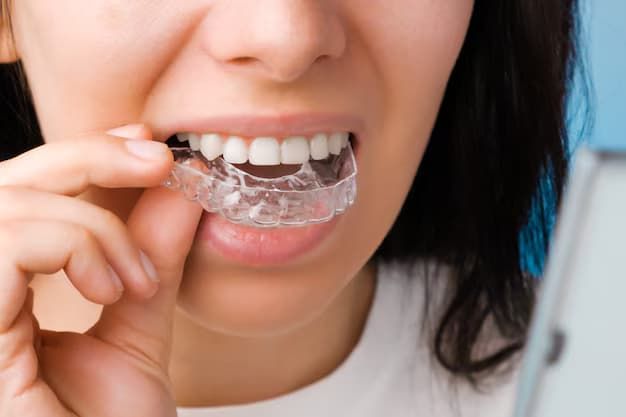
Teeth grinding can continue damaging teeth even after regular dental treatment. This condition, often linked with stress or sleep issues, puts constant pressure on enamel and restorations.
When patients search for “What are the symptoms of TMJ disorder?” after experiencing the problems of TMJ disorder. They often also show signs of grinding, especially morning jaw stiffness and worn teeth edges. We commonly find that fillings, crowns, or cosmetic work fail faster in patients who grind their teeth at night. The dental work is not the problem. The force behind it is.
At Smiles by Rizzo, we focus on identifying grinding early to prevent repeated damage.
Why does jaw pain persist even when no cavities are found?
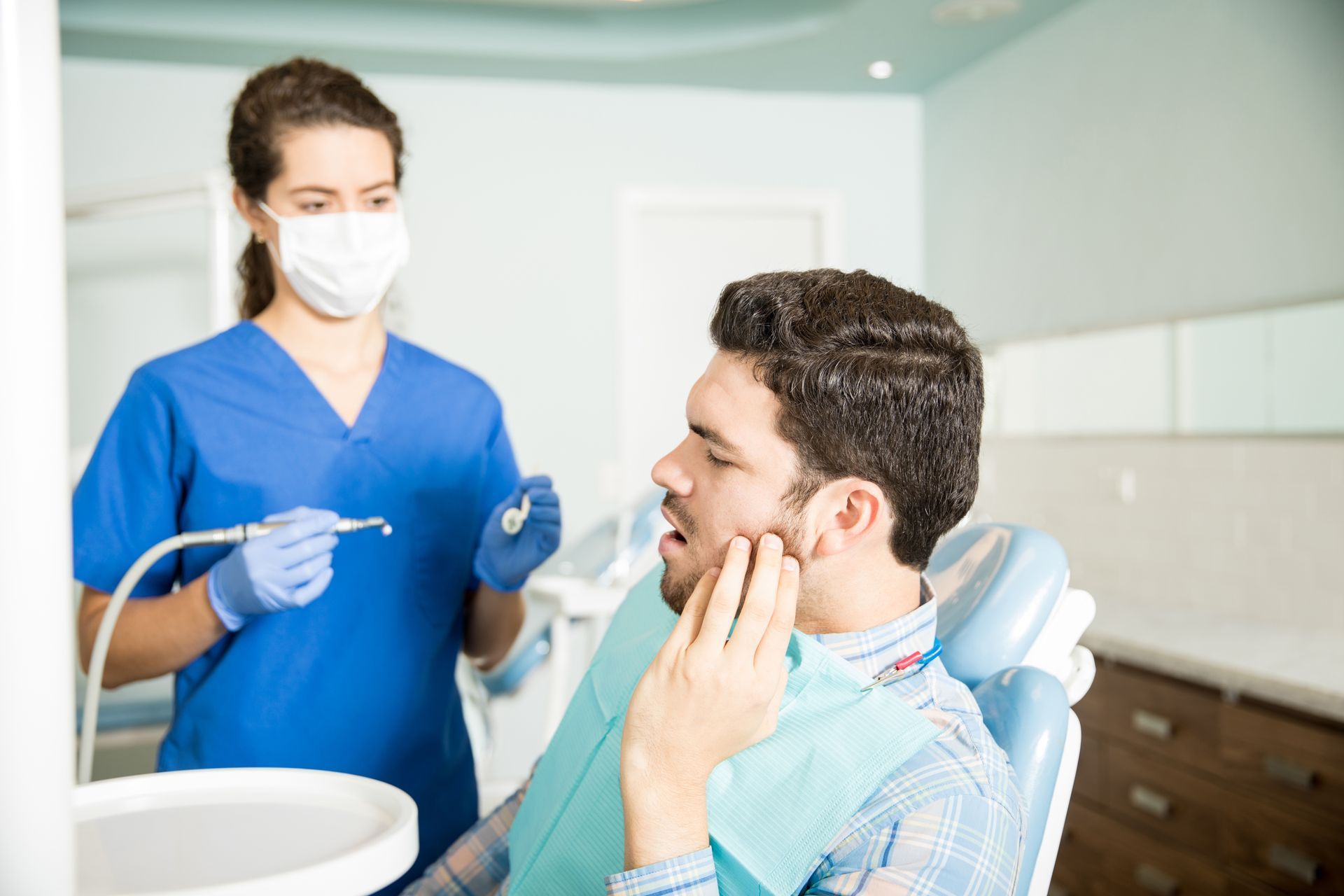
Jaw pain can persist even when no cavities or infections are detected because the issue may not be tooth-related. Instead, it often originates in the jaw joint and surrounding muscles.
This is where “What are the symptoms of TMJ disorder?” becomes an important question to know. It helps identify whether the discomfort is muscular, joint-based, or dental.
Patients often report clicking sounds, tightness, or headaches even after a clean dental report. These symptoms indicate functional stress rather than decay.
What role does stress play in ongoing dental problems?
Stress plays a major role in ongoing dental problems by increasing muscle tension and jaw clenching. This can happen during the day or while sleeping.
Over time, this leads to inflammation, uneven bite pressure, and chronic discomfort. Many patients experiencing the symptoms of TMJ disorder are also dealing with high stress levels that worsen jaw tension. Stress does not just affect mental health. It directly affects how the jaw functions. This is why dental symptoms can continue even after treatment.
We focus on identifying these patterns early so patients avoid long-term complications.
How is TMJ disorder linked to repeated dental complaints?
TMJ disorder is closely linked to repeated dental complaints because it affects how the jaw moves and rests. When the joint is not functioning properly, teeth are constantly under abnormal pressure.
What are the symptoms of TMJ disorder? One of the queries that people often ask includes jaw pain, difficulty chewing, clicking sounds, and headaches. These symptoms may return even after dental treatment because the underlying joint issue is still active.
We assess jaw alignment, bite function, and muscle tension together. Treating only the teeth is not enough when TMJ is involved.
Can regular dental care miss functional oral problems?
Yes, regular dental care can miss functional oral problems because routine exams focus mainly on teeth, gums, and visible decay. They do not always evaluate jaw movement or muscle stress in detail.
This is why the symptoms of TMJ disorder can go unnoticed for long periods. The condition often develops gradually and may not show up in standard X-rays.
Patients may leave appointments, told everything looks fine, while still experiencing discomfort. This gap is where functional dentistry becomes important. At Smiles by Rizzo, we take a broader view of oral health beyond just clean teeth.
FAQs
1. Why do dental problems continue even after routine cleanings and checkups?
Dental problems can still continue because cleanings only remove surface buildup. Deeper issues like gum disease, bite problems, or jaw disorders may develop between visits and often need advanced evaluation.
2. Can stress and grinding cause dental issues even if I visit the dentist often?
Yes, stress and grinding can still damage teeth even with regular dental visits. They cause wear, sensitivity, and jaw pain, especially at night.
3. Why do I still have jaw pain even when my dentist says my teeth are healthy?
Jaw pain can come from muscles or TMJ issues, not just teeth. These problems are not always visible in routine dental exams.
4. Can bite alignment issues cause repeated dental problems?
Yes, an uneven bite can put extra pressure on teeth, leading to wear, fractures, and discomfort over time.
5. What hidden dental problems are usually missed during regular checkups?
Hidden issues like early gum disease, small cracks, grinding damage, and TMJ disorders may not show in basic checkups but can still cause symptoms.
Conclusion
Dental problems that continue despite regular dental visits often indicate deeper functional issues rather than simple surface decay. Factors such as jaw misalignment, chronic stress, and teeth grinding can quietly contribute to ongoing discomfort and recurring symptoms.
In many cases, these underlying causes are missed during routine checkups. Searching “What are the symptoms of TMJ disorder?” helps patients recognize one of the most overlooked sources of persistent jaw pain and dental issues. Early identification supports more accurate diagnosis and long-term, effective treatment planning for lasting oral health.
Recent Blog