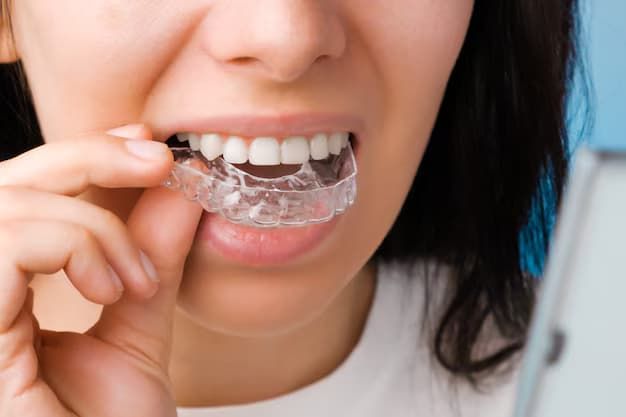
Some dental treatments take one visit because they are straightforward and can be completed using modern technology. Others require multiple appointments due to healing time, custom restorations, laboratory fabrication, or complex treatment planning. The number of visits depends on the procedure, the patient's oral health, and the desired long-term outcome.
Choosing a dental treatment often raises questions about timing. Some procedures are finished in a single appointment, while others require several visits spread over weeks or months. The difference depends on the complexity of the treatment, the condition being addressed, and whether healing time or custom fabrication is necessary.
Similarly, patients exploring cosmetic dentistry often ask, "What is the difference between teeth whitening and teeth bleaching?" Since treatment goals and procedures can also affect the number of visits required.
Why Can Some Dental Treatments Be Completed in One Visit?
Some dental treatments take only one visit because they involve straightforward procedures that can be safely completed during a single appointment.
Examples include routine cleanings, dental exams, fillings, and certain cosmetic treatments. Modern dental technology has also reduced treatment times for many procedures. Digital imaging, same-day restorations, and advanced diagnostic tools help streamline care without sacrificing quality.
Patients often ask, "What is the difference between teeth whitening and teeth bleaching?" when considering cosmetic options. The answer can affect treatment time because some whitening methods require only one office visit, while others may involve follow-up care.
Why Do Root Canal Treatments Sometimes Require Multiple Appointments?
Root canal treatment may require multiple visits when infection, inflammation, or complex tooth anatomy is present.
During the first appointment, the infected tissue is removed, and the tooth is cleaned. In some cases, medication is placed inside the tooth before it is permanently sealed. Additional visits may be necessary to ensure the infection has resolved and to place a final crown or restoration.
The goal is not speed but long-term success. Careful treatment reduces the risk of future complications and helps preserve the natural tooth.
How Long Does It Take to Get a Dental Crown?
Dental crowns may take one visit or multiple appointments, depending on the technology available and the complexity of the case.
Patients often compare treatment experiences in general dentistry with cosmetic care, including asking “What is the difference between teeth whitening and teeth bleaching?”, to better understand how procedures vary in time and purpose.
Traditional crowns often require at least two visits. The first visit involves preparing the tooth and taking impressions. A dental laboratory then fabricates the crown. During the second visit, the crown is adjusted and permanently placed. At Smiles by Rizzo, advanced same-day crown technology can shorten this process for many patients. Digital design and on-site fabrication allow certain crowns to be completed during a single appointment.
Why Do Dental Implants Require Several Appointments?
Dental implants require multiple appointments because the jawbone needs time to heal and securely support the implant. Each stage plays an important role in achieving long-term success.
- The implant is placed into the jawbone.
- The bone gradually bonds with the implant through osseointegration.
- Healing takes place over several weeks or months.
- An abutment and custom crown are attached once healing is complete.
This phased process creates a strong and stable tooth replacement. Proper healing helps improve durability, function, and long-term results.
Does Cosmetic Dentistry Usually Require One Visit or Several?
Cosmetic dentistry can involve one visit or multiple appointments, depending on the treatment selected.
Professional whitening treatments are often completed in a single appointment. Veneers, smile makeovers, and complex cosmetic cases typically require additional visits for planning, design, and placement.
Patients frequently ask, "What is the difference between teeth whitening and teeth bleaching?" when exploring cosmetic improvements. Whitening generally removes surface stains, while bleaching uses stronger agents to lighten the natural tooth color beyond its original shade.
What Happens If a Treatment Requires Healing Time?
Treatments that affect deeper tissues often require healing periods between appointments.
Procedures involving gums, bone, implants, or surgical extractions need time for the body to recover naturally. Healing allows tissues to stabilize before the next stage of treatment begins.
This waiting period is an important part of successful care rather than a delay. It helps create stronger and more predictable outcomes.
How Does Technology Reduce the Number of Dental Visits?
Modern dental technology can significantly reduce the number of appointments required for certain treatments.
Digital scanners eliminate traditional impressions. Advanced imaging improves diagnostic accuracy. Same-day restoration systems allow crowns and other restorations to be designed and fabricated quickly.
At Smiles by Rizzo, technology is used to improve efficiency while maintaining high standards of care. Faster treatment does not mean lower quality. It means the process has become more precise and streamlined.
Patients comparing cosmetic options often research "What is the difference between teeth whitening and teeth bleaching?" because modern whitening systems can deliver noticeable improvements in less time than older methods.
Is a Longer Treatment Plan Better Than a Faster One?
A longer treatment plan is not necessarily better, and a faster treatment plan is not always possible.
The best treatment timeline is determined by the patient's oral health needs. Some conditions require careful staging to achieve safe and lasting results. Others can be addressed efficiently in one appointment.
Understanding "What is the difference between teeth whitening and teeth bleaching?" is another example of why treatment recommendations vary. Different cosmetic goals require different approaches and timelines.
Frequently Asked Questions
Can a dental filling usually be completed in one appointment?
Yes. Most dental fillings can be completed during a single visit. The damaged portion of the tooth is removed, and the filling material is placed immediately. The process is efficient and typically requires little recovery time.
Why do some cosmetic treatments take longer than others?
Cosmetic treatments vary because each procedure has different planning and preparation requirements. Patients researching "What is the difference between teeth whitening and teeth bleaching?" often discover that whitening may be completed faster than treatments such as veneers or smile makeovers.
How do dentists decide how many appointments are needed?
The number of appointments depends on the condition being treated, the complexity of the procedure, and whether healing or laboratory work is required. Diagnostic exams help determine the most appropriate treatment timeline for each patient.
Is professional whitening faster than at-home whitening?
Professional whitening is generally faster because stronger whitening agents are used under dental supervision. Many patients ask, "What is the difference between teeth whitening and teeth bleaching?" because treatment strength and expected results can vary significantly.
Can technology make dental treatments more comfortable?
Yes. Digital imaging, advanced diagnostics, and modern treatment methods can improve comfort and efficiency. These tools often reduce appointment times and help create more predictable outcomes for patients.\
Why is it important to understand cosmetic treatment options before starting?
Understanding available options helps patients set realistic expectations. Learning "What is the difference between teeth whitening and teeth bleaching?" allows individuals to choose a treatment that matches their cosmetic goals, budget, and timeline.
Conclusion
Some dental treatments can be completed in a single visit because they are straightforward and supported by advanced technology. Others require multiple appointments due to factors such as healing time, detailed treatment planning, laboratory fabrication, or the complexity of the procedure.
The number of visits is determined by what is needed to achieve safe, effective, and long-lasting results. Understanding different treatment options, including "What is the difference between teeth whitening and teeth bleaching", can help patients make informed decisions and choose the most appropriate care for their oral health and smile goals.
Recent Blog